
Table of Contents
#1 travel and tourism focus on best exploring destinations, cultures, and experiences while supporting economic growth and global connectivity. 2026 (Call Now)
Travel and Tourism: Exploring the World Beyond Borders
Travel and tourism have always played a significant role in human civilization. From ancient trade routes and pilgrimages to modern international vacations, people have always felt the urge to explore beyond their immediate surroundings. Today, travel and tourism are not just recreational activities but powerful global industries that shape economies, cultures, and lifestyles. They influence how people connect with the world and understand diverse perspectives.
Travel allows individuals to step away from routine life and experience something new. Tourism, on the other hand, is the organized movement of people to different destinations for leisure, business, education, or health purposes. Together, travel and tourism form a dynamic sector that contributes to global development while enriching personal experiences. In a world driven by experiences, tourism continues to grow as a preferred way of learning and relaxation.
Understanding Travel and Tourism
What Is Travel?
Travel refers to the movement of people from one place to another for various reasons. These reasons may include leisure, work, education, religion, or personal growth. Travel can be domestic or international, short-term or long-term, planned or spontaneous. It focuses more on the journey and personal motivation behind it.

People travel to explore new places, meet new people, and escape their daily environment. Travel encourages adaptability and independence while exposing individuals to unfamiliar situations. It is often considered a tool for self-discovery and learning beyond textbooks and classrooms.
What Is Tourism?
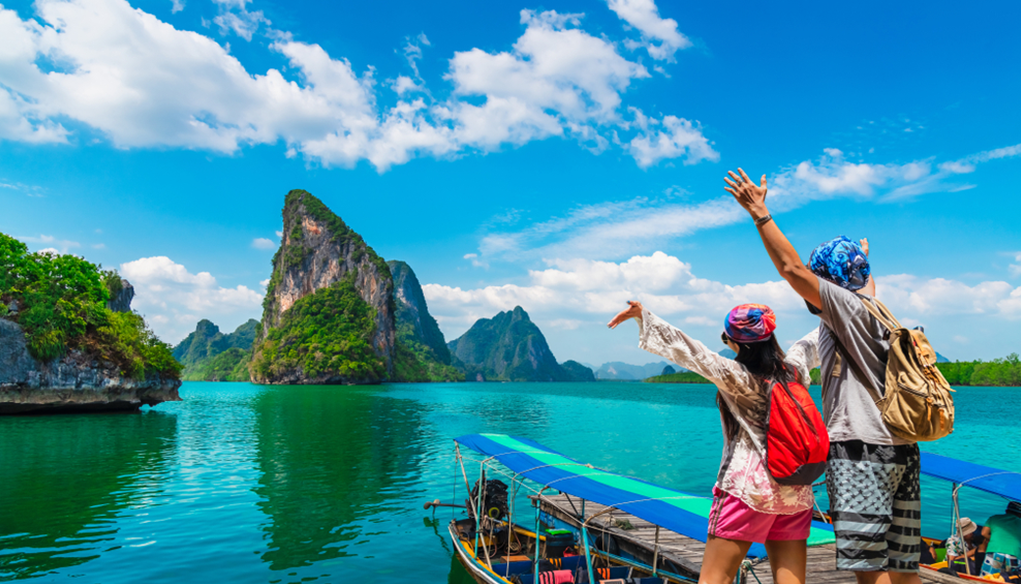
Tourism is a structured activity that involves traveling to destinations outside one’s usual environment for a limited period. It includes services such as transportation, accommodation, food, entertainment, and guided experiences. Tourism is closely linked with hospitality and customer service industries.
Tourism can be categorized into domestic tourism, inbound tourism, and outbound tourism. Each category plays a role in strengthening local economies and promoting cultural exchange. Tourism focuses more on the destination and the services that make travel comfortable and enjoyable.
Importance of Travel and Tourism
Economic Contribution
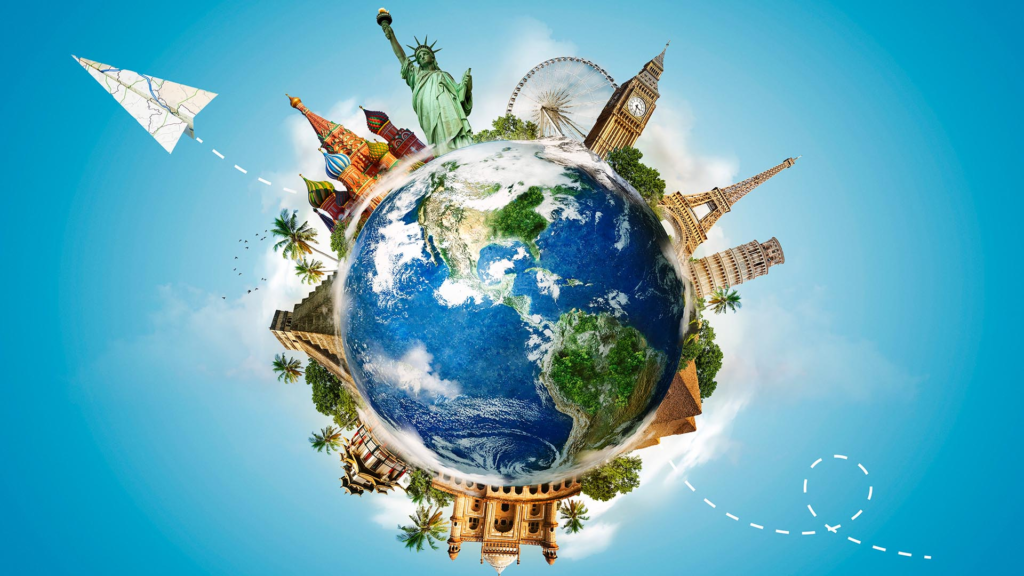
One of the most important aspects of travel and tourism is its contribution to the global economy. The tourism industry generates millions of jobs worldwide, supporting sectors such as hotels, airlines, travel agencies, restaurants, and local markets. Many countries depend heavily on tourism as a primary source of income.
Tourism promotes infrastructure development, including roads, airports, and public facilities. It brings foreign exchange and encourages investment in local businesses. Even small-scale tourism activities like handicrafts and local food stalls benefit from tourist spending.
Cultural Exchange and Heritage Preservation
Travel and tourism promote cultural exchange by bringing people from different backgrounds together. Tourists learn about local traditions, languages, festivals, and lifestyles, while locals gain exposure to global cultures. This interaction builds mutual respect and understanding.
Tourism also helps preserve cultural heritage. Historical monuments, museums, and traditional art forms receive attention and funding due to tourist interest. Many cultural practices survive because tourism creates awareness and economic value for them.
Personal Benefits of Traveling
Mental and Emotional Growth

Travel has a strong impact on mental well-being. Experiencing new environments reduces stress and refreshes the mind. Traveling allows people to disconnect from routine pressures and reconnect with themselves. It promotes mindfulness and emotional balance.
Exposure to different cultures enhances empathy and open-mindedness. Travelers often return home with a new outlook on life and a deeper appreciation for diversity. Travel teaches patience, flexibility, and confidence through real-world experiences.
Educational Value
Travel is a powerful form of education. Visiting historical sites, natural wonders, and cultural landmarks helps people learn beyond books. Students, in particular, benefit from educational tourism as it makes learning interactive and memorable.
Travel improves communication skills and problem-solving abilities. Navigating unfamiliar places encourages critical thinking and adaptability. These skills are valuable in both personal and professional life.
Types of Travel and Tourism
Leisure Tourism
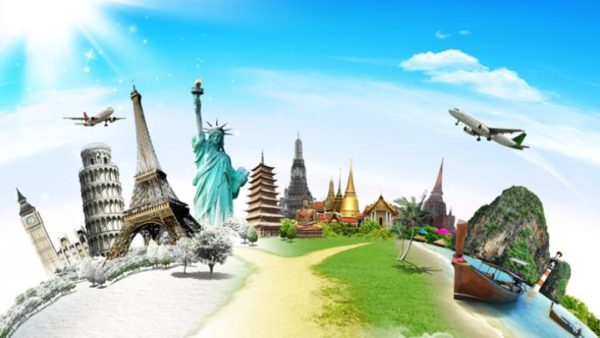
Leisure tourism is the most common form of tourism. It includes vacations, holidays, and recreational trips. People travel for relaxation, enjoyment, and entertainment. Beaches, hill stations, theme parks, and resorts are popular leisure destinations.
Leisure tourism boosts hospitality services and seasonal employment. It plays a major role in promoting destinations worldwide through word of mouth and social media.
Adventure and Eco Tourism

Adventure tourism attracts travelers seeking excitement and physical challenges. Activities such as trekking, rafting, scuba diving, and mountain climbing fall under this category. Adventure tourism promotes fitness and courage while supporting local guides and communities.
Eco tourism focuses on responsible travel to natural areas. It emphasizes environmental conservation and community involvement. Eco tourism encourages travelers to respect nature and reduce their environmental impact.
Role of Technology in Travel and Tourism
Digital Transformation

Technology has transformed the way people travel. Online booking platforms allow travelers to book flights, hotels, and tours within minutes. Mobile applications provide maps, language translation, and travel guides, making journeys easier and safer.
Social media influences travel decisions significantly. Travelers often choose destinations based on photos, videos, and reviews shared online. Travel blogging and digital storytelling have become powerful marketing tools in tourism.
Smart Tourism Solutions
Smart tourism uses technology to improve efficiency and sustainability. Digital check-ins, contactless payments, and virtual tours enhance customer convenience. Data analytics helps tourism providers understand traveler preferences and improve services.
Virtual reality allows people to explore destinations before visiting them. These innovations make travel planning more personalized and interactive.
Challenges Faced by the Tourism Industry
Over Tourism and Environmental Impact
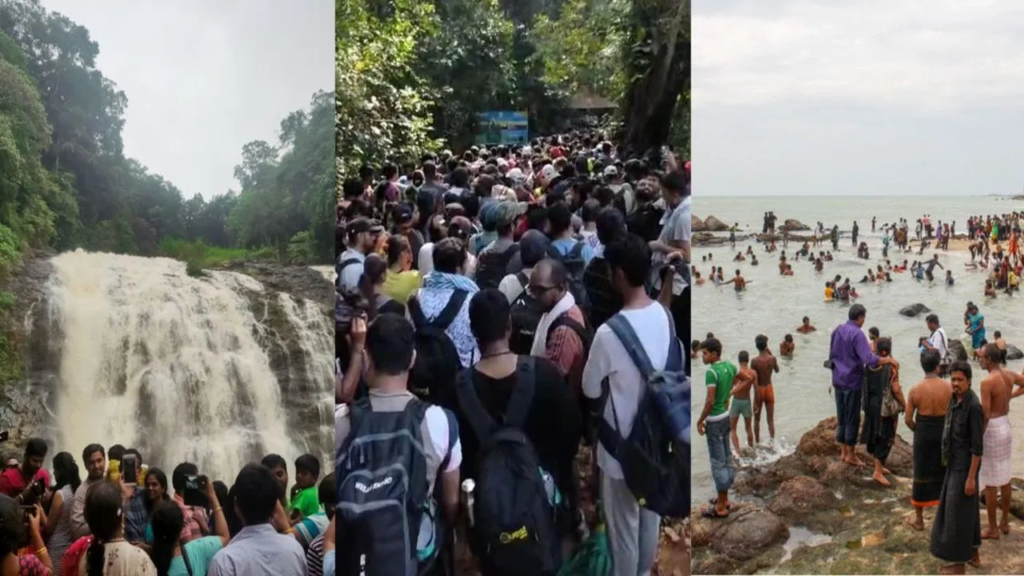
Over tourism is a growing concern in popular destinations. Excessive tourist numbers lead to overcrowding, pollution, and damage to natural and cultural sites. Local communities often face resource shortages due to uncontrolled tourism growth.
Environmental degradation affects wildlife, forests, and marine ecosystems. Sustainable tourism practices are essential to reduce these negative effects and protect destinations for future generations.
Global Crises and Uncertainty

Events such as pandemics, natural disasters, and political instability severely impact travel and tourism. The COVID-19 pandemic highlighted the vulnerability of the tourism industry. Travel restrictions caused massive losses and job cuts worldwide.
Such challenges require strong planning, flexibility, and innovation to ensure recovery and long-term stability.
Sustainable Travel and Tourism
Responsible Travel Practices

Sustainable tourism focuses on minimizing negative impacts while maximizing benefits for local communities. Travelers are encouraged to reduce waste, conserve resources, and respect local cultures. Supporting local businesses helps distribute tourism income fairly.
Responsible travel creates meaningful experiences while preserving destinations. It ensures that tourism development does not harm the environment or cultural identity.
Future of Sustainable Tourism
Governments and organizations are promoting eco-friendly policies and green infrastructure. Renewable energy, waste management, and conservation programs are becoming priorities. Sustainable tourism improves destination quality and traveler satisfaction.
As awareness increases, travelers are choosing experiences that align with ethical and environmental values.
Future Scope of Travel and Tourism
Emerging Trends
The future of travel and tourism is driven by innovation and changing preferences. Travelers are seeking authentic, slow, and meaningful experiences rather than rushed trips. Wellness tourism and solo travel are gaining popularity.
Technology will continue to shape the industry through artificial intelligence and automation. Personalization will become the key focus of travel services.
Global Connectivity and Growth
Travel and tourism promote global unity by connecting people across borders. Tourism encourages peace, cooperation, and cultural respect. As transportation and communication improve, tourism will become more accessible to people worldwide.
Conclusion
Travel and tourism are powerful forces that shape economies, cultures, and personal growth. They provide opportunities for learning, relaxation, and global connection. Despite challenges, responsible and sustainable tourism ensures long-term benefits for travelers and destinations alike. As people continue to explore the world, travel and tourism will remain essential in creating a more connected and understanding global society.
Home Page https://metamatrics.com/
Our Partner Page https://digitaldarter.com/